
Featured Article

Disposable Defenders: How Political Goonism Turns Kenya’s Youth Against Democracy
Young people in Kenya are not politically apathetic; they are politically frustrated. Yet Kenya’s political system routinely turns that frustration into a weapon for the very leaders who should be held accountable for governance failures.
Unemployed youth are mobilized to intimidate rivals, and citizens who should be demanding better public services are deployed to shield politicians from public scrutiny. When the dust settles, leaders return to luxury vehicles while recruited youth are left behind with injuries, police records, or funeral notices.
The politician gains protection and deniability. The recruited youth carries the injury, the charge sheet and the funeral.” — Julius Mulase
Outsourced Coercion & Systemic Exploitation
Political goonism is not spontaneous disorder; it is a calculated system of outsourced political coercion. Exploiting extreme economic vulnerability, with 43% of youth aged 18–35 unemployed, politicians recruit human shields for violence while insulating themselves from legal consequences.
Documented findings from the Kenya National Commission on Human Rights (KNCHR) reveal organized bike gangs infiltrating peaceful protests across Nairobi, Kisumu, and Eldoret, as well as hired violence during the July 2026 Ol Kalou by-election.
While poverty lowers the cost of recruitment, it is not an excuse for crime. True justice requires tracing vehicle ownership, M-Pesa records, and communication logs directly to the political principals who finance and profit from political violence.
A Call to Action Before 2027
To prevent politicians from treating young citizens as disposable buffers ahead of the 2027 General Election, urgent action is needed
- Strict IEBC Enforcement: Disqualify political candidates and parties linked to violent acts.
- Campaign Finance Tracing: Audit informal mobilization, transport cash, and handouts.
- Economic Independence: Award youth opportunities transparently to break political brokers’ grip.
- Practical Civic Education: Train youth to track county budgets and report electoral violations.
Read the Full Document
The strength of Kenya’s democracy is measured by how safely citizens can hold power to account, not by how fiercely youth protect leaders.
Download the Full Policy Document (PDF): Disposable Defenders — Julius Mulase
Featured
Jul 26, 2026
Disposable Defenders: How Political Goonism Turns Kenya’s Youth Against Democracy
Young people in Kenya are not politically apathetic; they are politically frustrated. Yet Kenya’s political system routinely turns that frustration into a weapon for the very leaders who should be held accountable for governance failures.
Unemployed youth are mobilized to intimidate rivals, and citizens who should be demanding better public services are deployed to shield politicians from public scrutiny. When the dust settles, leaders return to luxury vehicles while recruited youth are left behind with injuries, police records, or funeral notices.
The politician gains protection and deniability. The recruited youth carries the injury, the charge sheet and the funeral.” — Julius Mulase
Outsourced Coercion & Systemic Exploitation
Political goonism is not spontaneous disorder; it is a calculated system of outsourced political coercion. Exploiting extreme economic vulnerability, with 43% of youth aged 18–35 unemployed, politicians recruit human shields for violence while insulating themselves from legal consequences.
Documented findings from the Kenya National Commission on Human Rights (KNCHR) reveal organized bike gangs infiltrating peaceful protests across Nairobi, Kisumu, and Eldoret, as well as hired violence during the July 2026 Ol Kalou by-election.
While poverty lowers the cost of recruitment, it is not an excuse for crime. True justice requires tracing vehicle ownership, M-Pesa records, and communication logs directly to the political principals who finance and profit from political violence.
A Call to Action Before 2027
To prevent politicians from treating young citizens as disposable buffers ahead of the 2027 General Election, urgent action is needed
- Strict IEBC Enforcement: Disqualify political candidates and parties linked to violent acts.
- Campaign Finance Tracing: Audit informal mobilization, transport cash, and handouts.
- Economic Independence: Award youth opportunities transparently to break political brokers’ grip.
- Practical Civic Education: Train youth to track county budgets and report electoral violations.
Read the Full Document
The strength of Kenya’s democracy is measured by how safely citizens can hold power to account, not by how fiercely youth protect leaders.
Download the Full Policy Document (PDF): Disposable Defenders — Julius Mulase
Latest Articles

Growing Resilience: Why Climate Action Must be Measured
In this article, Emmanuel Keith Mang’eni argues that meaningful climate action cannot be judged by the number of trees planted, clean-up exercises conducted or young people mobilised, but by whether those interventions produce lasting environmental restoration, stronger livelihoods and more resilient communities.
Drawing from his work with the Bunyala Agri Climate Impact Solution CBO, he challenges the tendency to celebrate activities instead of outcomes, calling for climate initiatives to be grounded in evidence, local realities and measurable impact. The article explores how youth leadership, climate-smart agriculture, sustainable aquaculture, digital monitoring and community participation can move beyond isolated projects to become enduring systems of local resilience.
Ultimately, Emmanuel makes the case that the true measure of climate action is not what is launched, but what survives, grows and continues to improve people’s lives long after the planting day is over.
Download Full PDF: Beyond the Planting Day — Emmanuel Keith Mang’eni
Jul 27, 2026
Growing Resilience: Why Climate Action Must be Measured
The Creator Economy: Africa’s Next Public Policy Frontier
By Esparencia Peritah
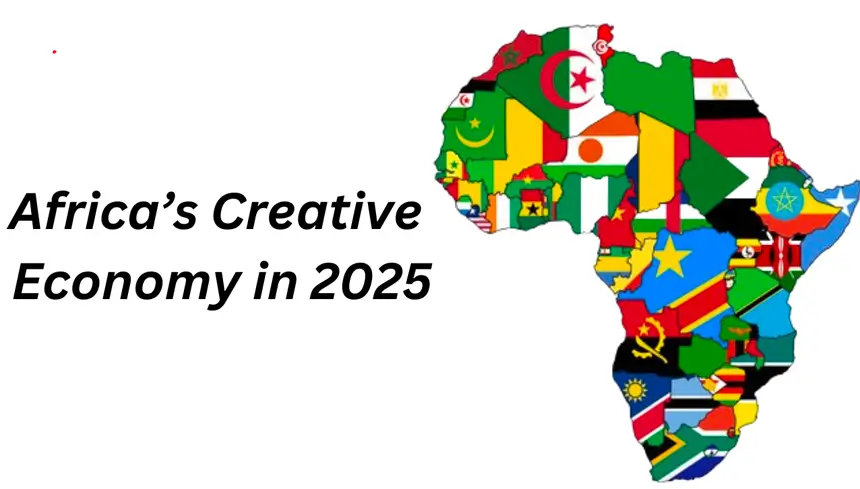
Africa’s creator economy has expanded rapidly, yet public policy has not kept pace with its economic, social and democratic significance. While digital creators increasingly shape public discourse, entrepreneurship and cultural production, policy frameworks continue to treat the sector primarily as entertainment rather than as a strategic component of the digital economy.
This paper argues that the creator economy should be recognised as a public policy priority. It examines the broader ecosystem that supports digital content creation, analyses the opportunities and constraints facing creators—including access to finance, intellectual property protection, platform dependency and taxation—and considers the role creators play in public communication and civic engagement.
The paper further argues that stronger collaboration between governments, digital platforms, financial institutions and creators must be accompanied by clear standards of transparency and accountability to preserve public trust.
Ultimately, the paper concludes that Africa’s creator economy will realise its transformative potential only when public policy evolves from recognising creators as online personalities to supporting them as entrepreneurs, employers, innovators and contributors to national development.
Jul 27, 2026
The Creator Economy: Africa’s Next Public Policy Frontier
When Participation is not Power: Rethinking Youth Inclusion in Governance
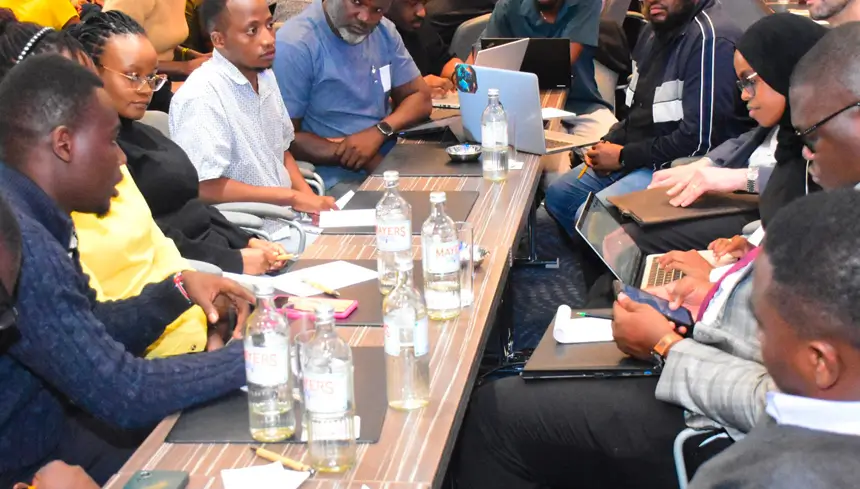
Youth participation has become a prominent feature of Kenya’s governance landscape. Young people attend public forums, volunteer in community initiatives, engage in civic campaigns and increasingly mobilise through digital platforms. Yet meaningful influence over public decisions, policies and resource allocation remains limited. Participation, in many instances, has become visible without becoming consequential.
This paper argues that the central challenge is not the absence of youth engagement, but the failure to convert participation into institutional power. It distinguishes between being present in governance processes and having the ability to shape priorities, influence budgets, affect implementation and hold public institutions accountable. The paper examines why this gap persists, highlighting structural barriers such as tokenistic consultation, weak feedback mechanisms, limited access to decision-making spaces and insufficient institutional responsiveness.
Drawing on Kenya’s constitutional framework, recent experiences of youth mobilisation and community-level governance, the paper contends that effective inclusion requires more than invitations to participate. It requires systems that ensure young people’s contributions are considered, acted upon and reflected in public decisions. Civic education, digital engagement and youth leadership remain essential, but they must be accompanied by stronger institutional accountability, transparent public participation processes and measurable pathways through which youth proposals influence policy outcomes.
Ultimately, the paper concludes that youth participation should not be measured by the number of meetings attended or voices heard, but by whether young people can demonstrably shape governance decisions and contribute to lasting institutional change. Kenya’s democratic future depends not only on creating spaces for youth participation, but on ensuring those spaces produce genuine influence.
Download Full PDF: Beyond the Invitation — Meshack Mark Musumba
Jul 27, 2026
When Participation is not Power: Rethinking Youth Inclusion in Governance

Empowering Young People in Policy-Making: A Path to Inclusive Governance
Young people play a crucial role in shaping the policies that affect their present and future. With Africa’s population being predominantly youth, their involvement in decision-making is essential for creating policies that address their needs and aspirations. However, despite their numbers, young people often face barriers to meaningful participation in governance and policy-making. Overcoming these challenges is key to building a more inclusive and progressive society.
Why Youth Involvement in Policy-Making Matters
Young people bring fresh perspectives, innovative solutions, and a deep understanding of the challenges affecting their communities. Their engagement ensures that policies are reflective of the broader society and address contemporary issues such as education, employment, healthcare, and climate change. When youth are included in policy discussions, governance becomes more representative and responsive to the needs of all citizens.
Ways Young People Are Shaping Policy
1. Youth Movements and Advocacy Groups
Young-led organizations are actively pushing for policy reforms in areas such as climate action, human rights, and education. These movements are holding governments accountable and ensuring that youth voices are heard at national and international levels.
2. Participation in Governance
More young people are stepping into leadership roles by running for political office, serving in youth councils, and contributing to advisory boards. Their presence in decision-making bodies helps bridge the gap between youth concerns and government actions.
3. Digital Activism
The rise of social media and digital platforms has provided young people with powerful tools to influence policy. Through online campaigns, petitions, and discussions, youth can mobilize support and drive awareness on critical issues affecting their societies.
Challenges to Youth Participation in Policy-Making
Despite their enthusiasm and potential, young people encounter several challenges, including:
- Limited Access to Decision-Making Spaces: Many governance structures do not provide opportunities for youth participation.
- Lack of Financial and Institutional Support: Youth-led initiatives often struggle to secure funding and recognition.
- Resistance from Traditional Leadership: Older policymakers may be reluctant to share power and include youth in decision-making.
Creating Opportunities for Youth Participation
To foster greater youth involvement in policy-making, governments, organizations, and institutions must:
- Establish youth advisory councils that provide a formal platform for policy contributions.
- Support mentorship programs that connect young people with experienced policymakers.
- Invest in education and training to equip youth with the skills needed for effective governance.
- Promote legal reforms that lower barriers to youth participation in politics and decision-making.
Conclusion
Young people are not just the leaders of tomorrow; they are the changemakers of today. Their participation in policy-making is crucial for ensuring that governance is inclusive, forward-thinking, and representative of all generations. By breaking down barriers and creating opportunities for youth engagement, Africa can harness the full potential of its young population and pave the way for sustainable development and inclusive governance.
Feb 06, 2025
Empowering Young People in Policy-Making: A Path to Inclusive Governance

The Rise of Young Leaders in Africa: A New Era of Change
Africa is undergoing a leadership transformation, with a new generation of young leaders rising to address the continent’s most pressing challenges. These dynamic individuals are making strides in politics, business, technology, and social activism, bringing fresh ideas, innovation, and a renewed sense of purpose to their respective fields. Their impact is shaping a brighter future for Africa, fostering economic growth, social justice, and sustainable development.
The Emergence of Young Leaders
Traditionally, African leadership has been dominated by older politicians and business leaders. However, the increasing influence of youth-driven movements, technology, and education has created an environment where young Africans are stepping into positions of power and influence. With nearly 60% of Africa’s population under the age of 25, this demographic shift is fueling a demand for more representative and forward-thinking leadership.
Key Sectors of Influence
Politics and Governance
Young politicians are challenging the status quo and advocating for progressive policies that resonate with the aspirations of their peers. Figures like Bobi Wine of Uganda and Nelson Chamisa of Zimbabwe have gained significant attention for their commitment to political change. These leaders inspire a new wave of civic engagement, encouraging young Africans to participate actively in governance and policy-making.
Entrepreneurship and Innovation
The startup ecosystem in Africa is booming, with young entrepreneurs driving technological and economic transformation. Visionaries such as Iyinoluwa Aboyeji of Nigeria, co-founder of Flutterwave, and Rebecca Enonchong of Cameroon, a tech entrepreneur, are creating groundbreaking solutions that enhance financial inclusion and digital connectivity. Their success stories serve as a testament to Africa’s potential as a global innovation hub.
Social Activism and Advocacy
From climate action to gender equality, young African activists are using their voices to drive social change. Vanessa Nakate of Uganda has been a leading advocate for climate justice, ensuring that Africa’s environmental concerns are represented on the global stage. Similarly, organizations led by young change-makers are championing human rights, education, and healthcare reforms across the continent.
Feb 06, 2025
The Rise of Young Leaders in Africa: A New Era of Change
The Opportunity Signal Is Weak: Why Kisumu’s Youth Struggle to Access Public Programmes
Kisumu is often referred to as Dala(home). However, a city only feels like home when its young population can build a viable, secure future within it.
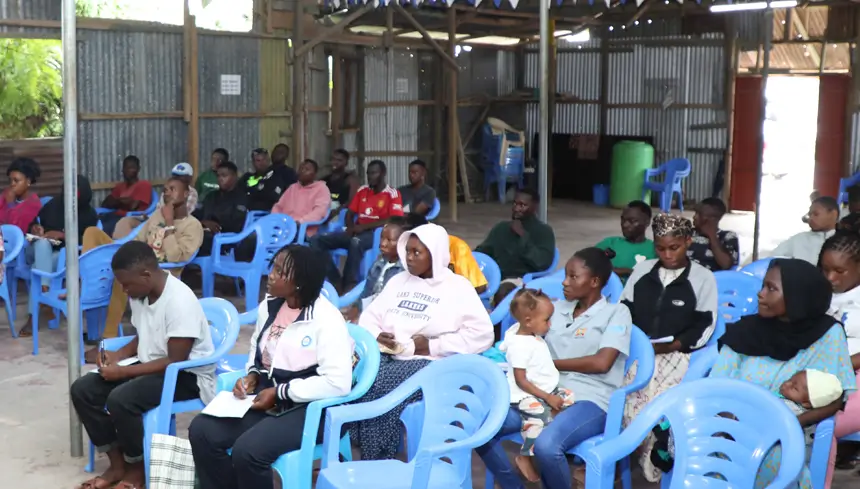
Across Kisumu County, young people are far from idle. They operate boda-bodas, run jua kali workshops, hawk goods, repair electronics, fish, build, and queue for public opportunities. Yet despite the presence of county enterprise funds, youth training programs, public participation forums, and statutory government procurement reservations, a glaring gap remains. The route from youth effort to stable work, affordable capital, public contracts, and policy influence is broken.
In her insightful paper, Josephine Adeti frames this issue not as a failure of youth willingness but as a breakdown in the delivery and feedback circuit between government institutions and young citizens.
Key Breakdown: Where the System Breaks Down
- Working Without Security: The problem is rarely complete inactivity; it is insecure, low-productivity work. While the informal sector employs over 60% of Kisumu’s gainfully employed population, survival activities without insurance, savings, or business growth do not constitute economic security.
- Paper Commitments vs. Real Access: Laws such as the Kisumu County Enterprise Fund Act and the 30% Access to Government Procurement Opportunities (AGPO) reservation exist. However, complex documentation, tax requirements, working capital barriers, and delayed public payments often create an impassable “access wall” for first-time youth entrepreneurs.
- A Weak Information Signal: Formal opportunities are often communicated through channels that do not reach ordinary youth. Posting a notice on a website or a county office board does not guarantee that the message reaches a rider or artisan in Nyakach, Muhoroni, or Kisumu West.
- Participation Without Feedback: Public participation forums are routinely measured by attendance lists rather than by actual policy influence. When youth attend meetings but never see their input shape county budgets or programs, engagement turns into disillusionment.
- Measuring Activity Instead of Livelihoods: County success is often tracked by short-term metrics, such as the number of loans disbursed or cleanup days organized, rather than by long-term indicators like business survival rates, sustainable income, or transition to stable employment.
Repairing the Circuit: Actionable Solutions
Fixing the youth empowerment system in Kisumu requires both institutional duty on the part of the county government and active, organized responsibility on the part of young citizens. Key recommendations include:
- Multi-Channel Information Transmission: Using SMS alerts, USSD codes, local radio, ward noticeboards, and community associations, along with digital portals, to ensure opportunity notices reach all wards in clear, plain language.
- Centralized Youth Opportunities Register: Creating a searchable web and USSD platform that tracks applications, deadlines, and the reasons for approval or rejection.
- Auditable Public Participation: Publishing participation reports that detail participant demographics, submitted proposals, and clear justifications for accepted or rejected inputs.
- Annual Youth Opportunity Scorecards: Tracking real economic outcomes—such as business survival, job creation, and payment timelines—six to twelve months post-intervention.
Read the Full Document
To explore the detailed empirical context, statutory legal frameworks (Public Procurement and Asset Disposal Act, Kisumu County Public Participation Act), and engineering-based systems approaches to youth empowerment, download the full paper below:
Download PDF: The Opportunity Signal Is Weak — Josephine Adeti